


You find yourself in the hair care aisle, two products in hand, not knowing which one to put in your basket. The difference between a matte wax and a styling gel for men goes far beyond texture: finish, hold, ease of washing, compatibility with your hair type... every criterion counts. Here is what you really need to know before choosing.
⭐ Key takeaways
- Matte wax gives a natural finish, gel gives a shiny, stiff finish
- Wax can be restyled throughout the day, gel sets as it dries
- Fine hair prefers powder or light wax, thick hair can handle both
- Gel rinses easily with cold water, wax requires hot water
- For a "polished without trying" look, matte wax wins hands down
What matte wax really does to your hair
Matte wax styles hair without freezing it, leaves it with movement, and gives a result close to naturally styled hair, without shine or a plastic effect. This is exactly what fundamentally distinguishes it from a classic gel. Léa, our hair expert, repeats it at every consultation: "the secret to a beautiful matte result is first to understand what the product does to your hair fiber, not just to apply it randomly."
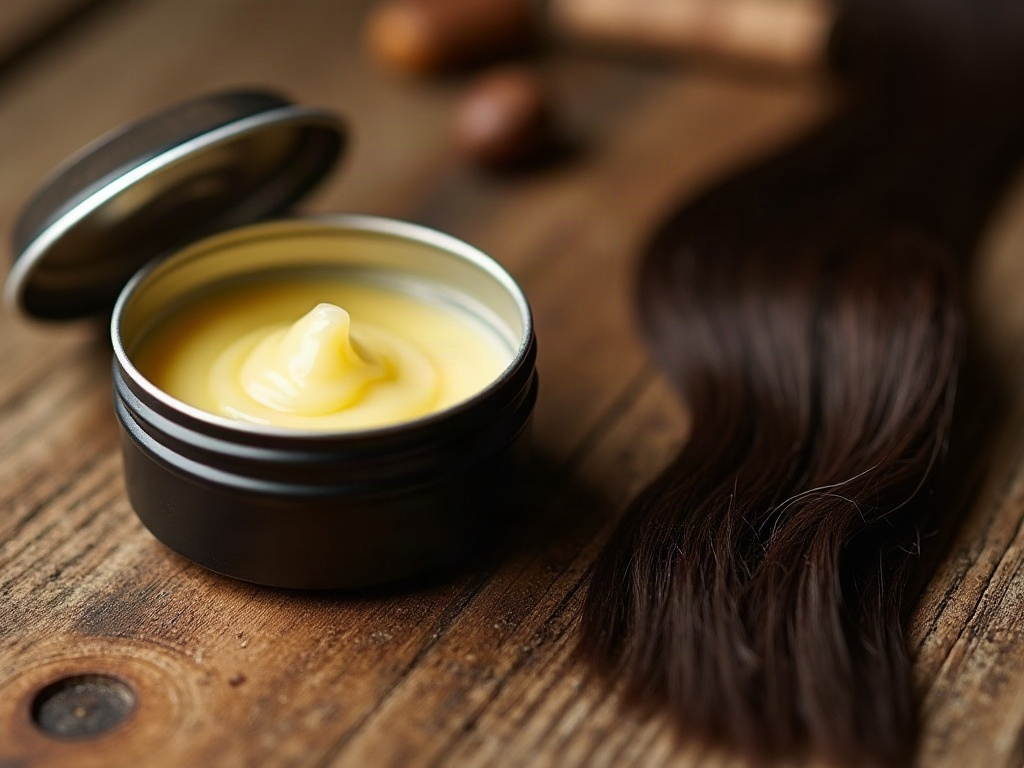
The texture of a wax is somewhere between thick paste and dense butter. You take a pea-sized amount, warm it between your palms for a few seconds, then spread it over dry or slightly damp hair. The heat from your skin activates the formula and makes it glide easily over the hair fiber.
The result: each strand remains distinct, the hairstyle retains its texture, and nothing sticks together. Matte wax leaves no visible residue on the hair or hands after drying. If you run your hand through your hair during the day, you can even slightly restyle your hair without messing it all up.
For which hair types is matte wax ideal
Matte wax suits almost every hair type, but it really shines in certain specific cases:
- Mid-length to long hair: it controls volume without flattening it
- Wavy or slightly curly hair: it defines the waves without stiffening them
- Thick or unruly hair: the dense texture stands up to strong hair
- Normal to dry hair: the wax base lightly nourishes the fiber during styling
Very fine hair can also handle it, provided you use a very small amount. Too generous a quantity can weigh down fine hair and give a "stuck-together" effect. In this case, a styling powder for texture and volume will often be better suited for the roots.
What styling gel really does
Styling gel freezes the hairstyle in a precise position as soon as it dries, thanks to polymers that solidify on contact with the air, giving it strong hold and a pronounced shine. This is its main strength, and its main limitation when you are looking for a natural look. Léa insists on this: understanding this drying mechanism radically changes the way you apply gel.
Gel is applied to wet or damp hair, which immediately distinguishes it from wax. You spread it, style it, and the gel "sets" as it dries. The hold is strong to very strong depending on the formula. In return, once dry, it is difficult to restyle without ruining everything.
The effect that all men know (and many avoid): the famous "helmet" or "cardboard" effect, that feeling that your hair no longer moves and sounds hollow if you touch it. This is the main characteristic of gels with a high concentration of setting polymers.
Strong gel, flexible gel: the distinction that changes everything
Not all gels are created equal. There are two main families:
| Criterion | Strong gel | Flexible gel |
|---|---|---|
| Hold | Very strong, rigid | Medium, flexible |
| Finish | Shiny to very shiny | Semi-shiny |
| Restyleable? | No, or with difficulty | Slightly yes |
| Application | Damp hair only | Damp hair preferred |
| Washing | Cold water is enough | Cold water is enough |
| Suitable style | Wet look, precise hairstyles | Structured but natural hairstyles |
💡 Did you know?
Hair gel as we know it dates back to the 1960s. At that time, American hairdressers were looking for an alternative to oil-based brilliantine. The first water-based gels were far less effective and often left visible white residue. Acrylic polymer formulas became widespread in the 1980s as cosmetic chemistry advanced (notably the work published in the Journal of the Society of Cosmetic Chemists on film-forming polymers). It was during this period that the wet look became established in urban culture and music videos.
Matte wax vs styling gel: a direct comparison across 7 criteria
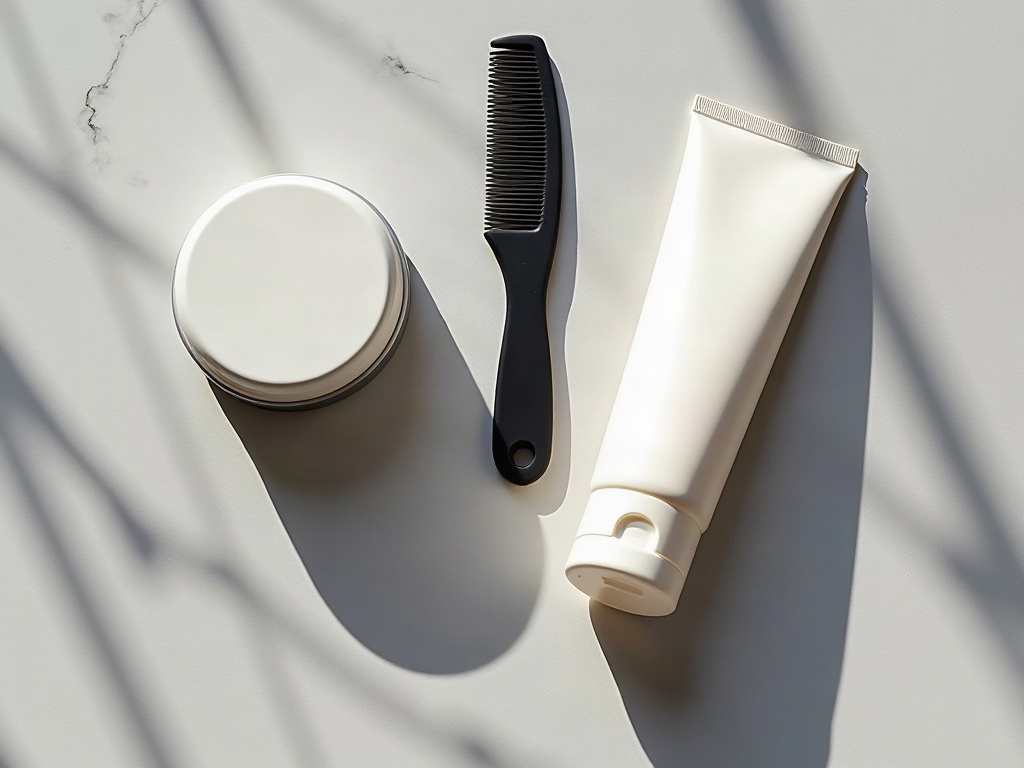
To choose between the two products, put them side by side on daily criteria: visual finish, hold strength, ease of use, and impact on hair health. Léa summarizes this in a single question to ask yourself in the morning: "Do I need my hairstyle to withstand everything, or do I want to be able to restyle it?"
1. The finish: matte vs shiny
This is the most visible difference, the one everyone notices. Matte wax gives a result close to natural hair, slightly textured, without shine. Gel creates a wet effect when dry, often very shiny.
Today, the underlying trend in men's hair is toward natural looks. The matte finish better suits the codes of today's casual-chic style, whether for the office, going out, or a date. The shine of gel remains relevant for certain precise hairstyles (slick-back cut, very defined part, old-school look).
2. The hold: rigid vs adjustable
Strong gel freezes the hairstyle. A well-dosed wax holds it without trapping it. Wax allows for touch-ups during the day with a simple pass of the fingers, whereas gel requires you to restyle with water if you want to change anything.
3. The application: dry vs damp
Wax is applied to dry or slightly damp hair. Gel, on the other hand, is ideally applied to wet or very damp hair to spread evenly. Practical consequence: if you style your hair far from your shower, wax is much more convenient for everyday use. Léa often reminds us that this difference in application is the main reason men choose the wrong product in the store.
4. Washing: hot water vs cold water
Gel rinses easily with cold water during your usual shampoo. Wax, made from plant-based or synthetic waxes, requires hot water and sometimes two shampoo passes to rinse out completely. If you use wax every day, a purifying shampoo once a week is a good idea to avoid buildup.
5. The impact on fine hair
Gel weighs down fine hair: the polymers settle on the fiber and clutter it. Matte wax, when well-dosed, is lighter in this regard, especially in its formulas with flexible textures. For truly fine hair, styling powder remains the most suitable product because it adds volume instead of taking it away.
6. The durability of the style throughout the day
On this point, strong gel wins. A hairstyle set with gel holds up even in the rain, heat, or during a long meeting. Matte wax holds well, but a very active day (sports, high humidity) can slightly alter the result. If you know your day will be intense, a flexible gel remains a more reliable ally than wax for holding up through all the hours without a touch-up.
7. The versatility of style
Matte wax beats gel by far on this ground. It allows for both an unstructured hairstyle and a styled hairstyle, a clean part or a "just rolled out of bed" effect. Gel is more limited stylistically: it almost always imposes a smooth and controlled look.

Which product for which men's hairstyle
The style you want to achieve is the simplest filter to decide: some hairstyles are almost impossible to pull off with the wrong product, no matter the quantity applied.
Styles that require matte wax
- Textured crop cut (short cut with texture on top)
- Unstructured hairstyle, natural or "polished messy" effect
- Mid-length cut with movement
- Defined curly or wavy hair without stiffness
- Light part in short-medium hair with volume
Styles that require gel
- Slick back or hair combed back
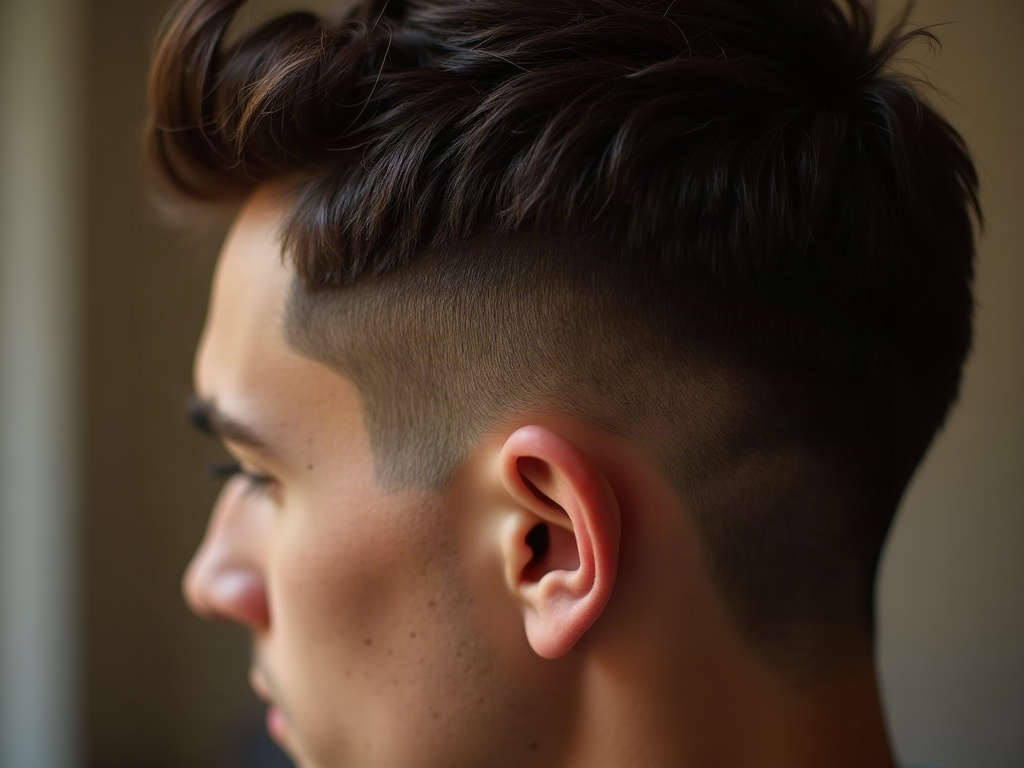
- Undercut with a very smooth and structured top
- Very clean part in short and straight hair
- Wet look for an evening or a photoshoot
- Hairstyles that must withstand difficult conditions (rain, sports, intense heat)
Pair wax with other products for a professional result
Parisian hairdressers almost never choose just one product: they layer them to achieve exactly the desired finish and hold, without overdoing it with either. Léa uses this layering approach at every consultation and says it's the most concrete difference between a "home" hairstyle and a "salon" hairstyle.
Some combinations that work well:
- Sea salt spray + matte wax: the salt spray adds texture and volume to damp hair, then the wax sets it all in place on dry hair. Result: dimension, movement, zero artificial shine.
- Styling powder + matte wax: the powder applied to the roots builds volume at the base, while the wax controls the shape of the lengths. Ideal for fine hair that needs more presence.
- Flexible gel + wax on top: for very clean parts, the gel provides structure, while the wax softens the finish. Excessive shine disappears, and the part stays perfect.
To take this layering approach further, the Volume & Texture Kit brings together the three key elements (powder, salt spray, texturizing comb) in a routine designed from A to Z.

If you're looking directly for a styling gel for a slick back or a wet look, Léa recommends not overlooking the dedicated range: a well-formulated gel is also an investment in hair health, not just hold. Discover the options available in the Barbary Hair Collection.
Common mistakes with these two products
Most bad results with wax or gel come from an application or dosage error, not the product itself. These mistakes are easy to correct once you know them.
With matte wax
- Too much product at once: a pea-sized amount is enough for short hair, two pea-sized amounts maximum for medium-length hair. Always start with less, you can always add more.
- Do not warm the wax between your palms: it will remain in a block and will not distribute evenly. Ten seconds of friction between your hands is enough to activate it.
- Apply to hair that is too damp: the wax will slide without gripping and the result will not hold well. Wait until your hair is dry or very slightly damp.
- Neglect rinsing: poorly rinsed wax accumulates and weighs down the hair over time. Use warm water and well-emulsified shampoo before rinsing.
With styling gel
- Apply to dry hair: the gel will not distribute and will form visible clumps. Always apply to damp hair.
- Touch your hair while it dries: this creates irregularities in the hold and leaves characteristic white marks.
- Use a strong gel for a natural hairstyle: the result will always look artificial and stiff. For a natural look, gel is not the right tool.
- Confuse gel with paste: some products sold as "gels" are actually soft-hold pastes, much closer to wax in their behavior. Read the descriptions.
"The best styling product is the one you use correctly, not the one that the ad says is the best."
Basic principle of barber styling
What matte wax is like for women's hair
Matte wax is not reserved for men: women with short or medium-length hair use it to define textured hairstyles, control frizz, or structure a pixie cut without stiffness.
The logic is identical: natural finish, restylable, no plastic effect. Women's short hair responds very well to a small amount of matte wax applied to the ends to accentuate the structure of the cut. For long hair, the wax remains too heavy and clogs the lengths: serum or spray are better suited.
For short hair and bobs, a matte-effect styling wax like the one from the Barbary Hair Collection works just as well on short women's hair as on classic men's cuts. Léa confirms this regularly: matte wax is one of the few truly unisex styling products, provided you dose it correctly.
Frequently asked questions
Which is better between wax and gel?+
It all depends on the desired style. Matte wax is more versatile, more natural, and restylable all day. It is suitable for the majority of current hairstyles and almost all hair types. Gel excels only for structured hairstyles with a shiny effect or situations where the hold must be flawless in the rain or heat. If you have to choose just one product to make your life easier, matte wax wins in 80% of cases.
Can you use wax and gel together?+
Yes, it is even a technique that hairdressers use regularly. We first apply a flexible gel to damp hair to structure the base, then finish with a small amount of matte wax on dry hair to soften the shine and maintain a natural look. The result gives excellent hold with a finish much less artificial than gel alone.
What product to style a woman's short hair?+
For women's short hair (pixie cut, short bob), matte wax is the best choice. It structures without stiffening, keeps the hair light, and the result looks like naturally well-fallen hair. We avoid gel, which gives an overly worked and shiny effect incompatible with most current short styles. A very small amount is enough: pea size in English, or about the size of a small pea.
Does matte wax damage hair in the long term?+
No, if it is properly rinsed. A well-formulated wax does not contain drying alcohol and does not attack the hair fiber. The main risk is the accumulation of residue if the rinsing is insufficient: this can weigh down the hair and slightly clog the follicles over the long term. A purifying shampoo once a week, with hot water to dissolve the wax, is enough to avoid any problems.
What is the difference between a styling paste and a wax?+
Both are very close. Styling paste generally has a lighter and more malleable texture than wax, with a slightly weaker hold. Wax is denser, warms better between the hands, and holds better on thick hair. In practice, the differences are subtle and vary from one brand to another: some "pastes" hold better than "waxes" in the same segment. The simplest thing is to directly compare the description of hold and finish, not the product name.
Is styling gel bad for hair?+
A well-formulated gel, without alcohol at the top of the ingredients list, does not dry out the hair. The problem comes mainly from low-end gels heavily loaded with denatured alcohol, which weaken the fiber over the long term. Modern water-based gels with film-forming polymers are well tolerated by the majority of hair. The rule remains the same as with wax: a careful rinse and regular purifying shampoo to avoid accumulation.


